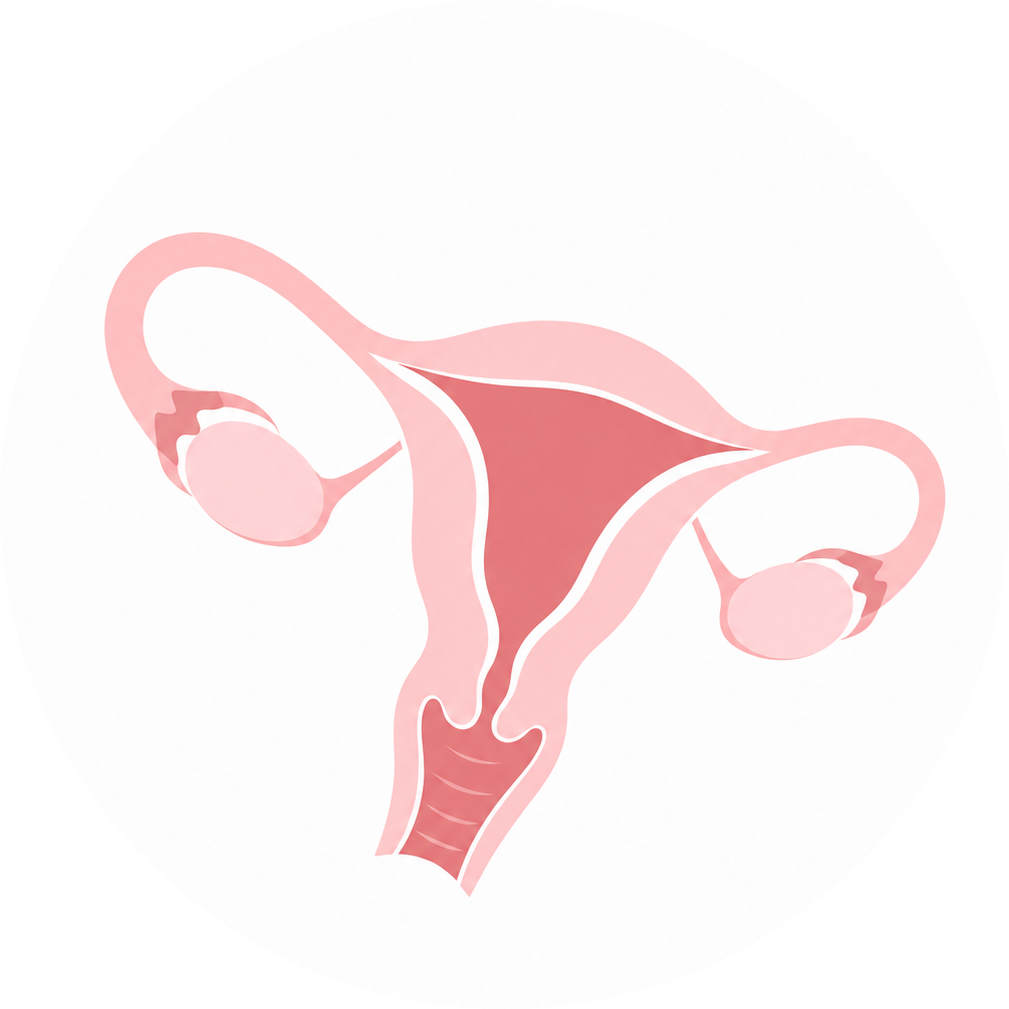

What do you feel?
Fear of pregnancy and childbirth, shame about these thoughts and feelings, guilt toward your partner, your parents, and yourself. You may have intrusive thoughts like “something is wrong with me,” “I’m selfish,” “I won’t be able to handle it,” “if I get pregnant, everything will go wrong, and if I don’t, I’ll be alone forever.” The future feels hopeless. As a result you want to avoid conversations and any mention of children and sex
What is actually happening?
Your mind is trying to shield you from a past or anticipated trauma. It’s normal for the body to respond to fear as if it were a real threat — through anxiety and a desire to hide. This fear has a name, causes, and ways to treat it. A psychologist can help you make a decision based on self-respect
Important note:
Your fear is natural, but it shouldn’t block the desire to have children, and being childless shouldn’t be a source of shame. We recommend seeking help from a specialist
Behind the pleasant image of a happy pregnancy often lurks many nuances that future moms or women not yet planning children learn about from acquaintances and social media. This frequently sparks anxiety, as reality turns out to be more unpredictable and frightening than the ideal picture of joyful motherhood.
Pregnancy and childbirth are an exciting process for the overwhelming majority of women, and that's normal. You might fear painful contractions, worry if you'll have a healthy baby, fret over upcoming changes in your lifestyle. There are other reasons for stress too—like the inability to provide children with a decent standard of living, a happy future. Normally, anxiety doesn't overshadow the pleasant anticipation or disrupt daily life. But there are exceptions.
Around 14% of women (depending on specific studies) face tokophobia. This is an obsessive fear of pregnancy and childbirth, sometimes so intense that even seeing a pregnant woman can terrify. In this form, it can affect men too. Lately, this phobia has been growing more common, leading many to forgo having children. For instance, the latest global surge in tokophobia is linked to the start of the COVID-19 pandemic — rates fluctuated from 6.4% to 54.3%.
If you're facing tokophobia, you're not alone. It's fairly common, but rarely discussed. Part of the reason is that society generally expects women to embrace pregnancy with joy, which doesn't always match reality.
How do you know if it's really a phobia?
Tokophobia affects not just thoughts but behavior too. Plus, many with phobias also suffer from depression and other mental health issues.
Symptoms of tokophobia can include:
- Constant anxiety and worry, panic attacks, full-blown panic;
- Eating disorders;
- Insomnia or sleep problems;
- Avoidance of sexual relations and relationships in general;
- Painful attitudes toward contraception;
- Feelings of loneliness or detachment from your partner or loved ones;
- Lack of emotional connection to the developing fetus during pregnancy;
- Absence of positive emotions about pregnancy;
- Fear of encountering a pregnant woman in person, talking about pregnancy and birth, or any mention of pregnancy;
- Somatic reactions to seeing a pregnant woman or hearing about pregnancy: trembling, shaking, rapid heartbeat, tears, lump in the throat, nausea and vomiting, shortness of breath, headaches, sweating, and so on;
- Attempts to hide a pregnancy if it occurs, or terminating it in a state of panic;
- In men: coldness and rejection, avoidance of a pregnant partner, breakups.
Sometimes tokophobia is confused with the more common, classic fear of childbirth. This is a spectrum of frightening thoughts and feelings that can be mild or intense (impacting daily life) but not quite a phobia.
Why does tokophobia arise?
This phobia can be split in two: primary (in women who haven't given birth yet) and secondary (in those who've faced difficulties with birth or carrying a child).
In both cases, causes are complex, tied to lack of social support, stress, or past trauma. Among the most common are:
- Rape or past abuse;
- Reproductive pressure or obstetric violence;
- Stories of others' negative or traumatic experiences;
- Shame related to the body (like fear of doctors touching genitals);
- Upcoming lifestyle changes;
- Upcoming physical changes: weight gain, hair loss, possible illnesses;
- Difficult births, stillbirth, or death during childbirth in personal or family history;
- Fear of giving birth to a child with illnesses or developmental defects;
- Uncertainty about a partner and/or fear of becoming a single mother;
- Financial difficulties or upcoming work and child-support challenges.
Of course, there are other possible causes, including personal predispositions (to anxiety disorders or depression, for example), age (both young and mature), social pressure, and more.
How can you cope with the fear and negative perceptions?
First and foremost, see a doctor. You can talk to a gynecologist, who'll suggest next steps, or a psychotherapist or perinatal psychologist. Find out from your insurance company if psychological counseling is included or try to find an organization in your country that provides such counseling. To do this, you can check out the list of crisis centres.
Tokophobia can't be prevented, but there are ways to reduce its impact on your life. Before pregnancy, antidepressants can help. During pregnancy it could be therapy (CBT is considered most effective), relaxation techniques (yoga, meditation, breathing exercises), and preparations: prenatal and parental classes, books, forums and social media groups.
In some women, tokophobia may be misdiagnosed after traumatic births when they actually have symptoms of posttraumatic stress disorder (PTSD). It's crucial to distinguish postpartum trauma symptoms from primary tokophobia to get the right treatment.
That said, whether it's tokophobia, PTSD, or fear of childbirth, it's vital to support yourself throughout pregnancy and preparation. If you notice tokophobia symptoms or something similar, don't hesitate to seek help. Ask loved ones for support, share your feelings. Try not to isolate yourself and turn to qualified specialists. You can also read articles, track your well-being, and do exercises in our app — it'll help build inner strength every day.